
Matrix
Confirm polarity, fillers and interface.
 JINGYUAN / MATERIAL APPLICATION
Cards show direction and validation focus before opening the full route.
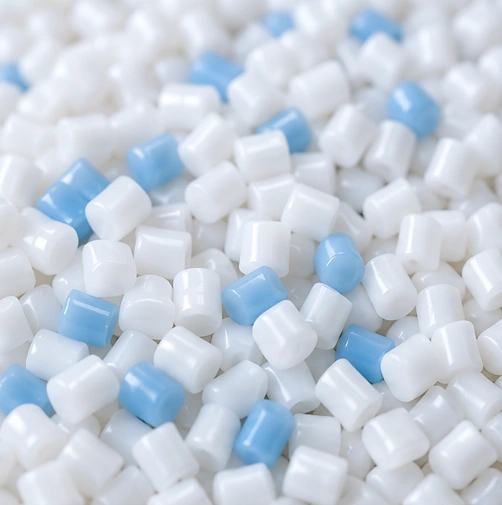
For PP, PE, PA, ABS, PBT and PET systems to improve strength, stiffness, dimensional stability, heat resistance and surface quality.
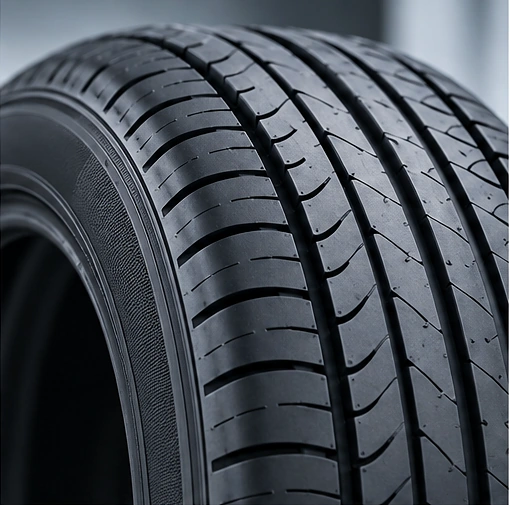
For natural, SBR, NBR, silicone and fluororubber compounds to improve tensile, tear, wear and heat performance.
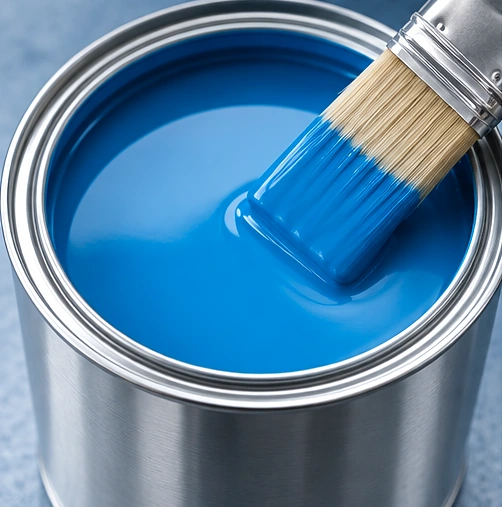
For architectural, industrial, fire-protective and anti-corrosion coatings. Dihydrate grades should be evaluated first in water-based systems.
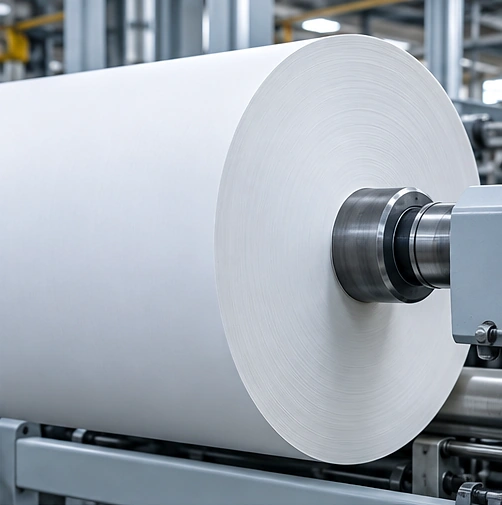
Can partially replace wood fibre or conventional fillers and improve whiteness, strength and printability; retention and white-water circulation require validation.
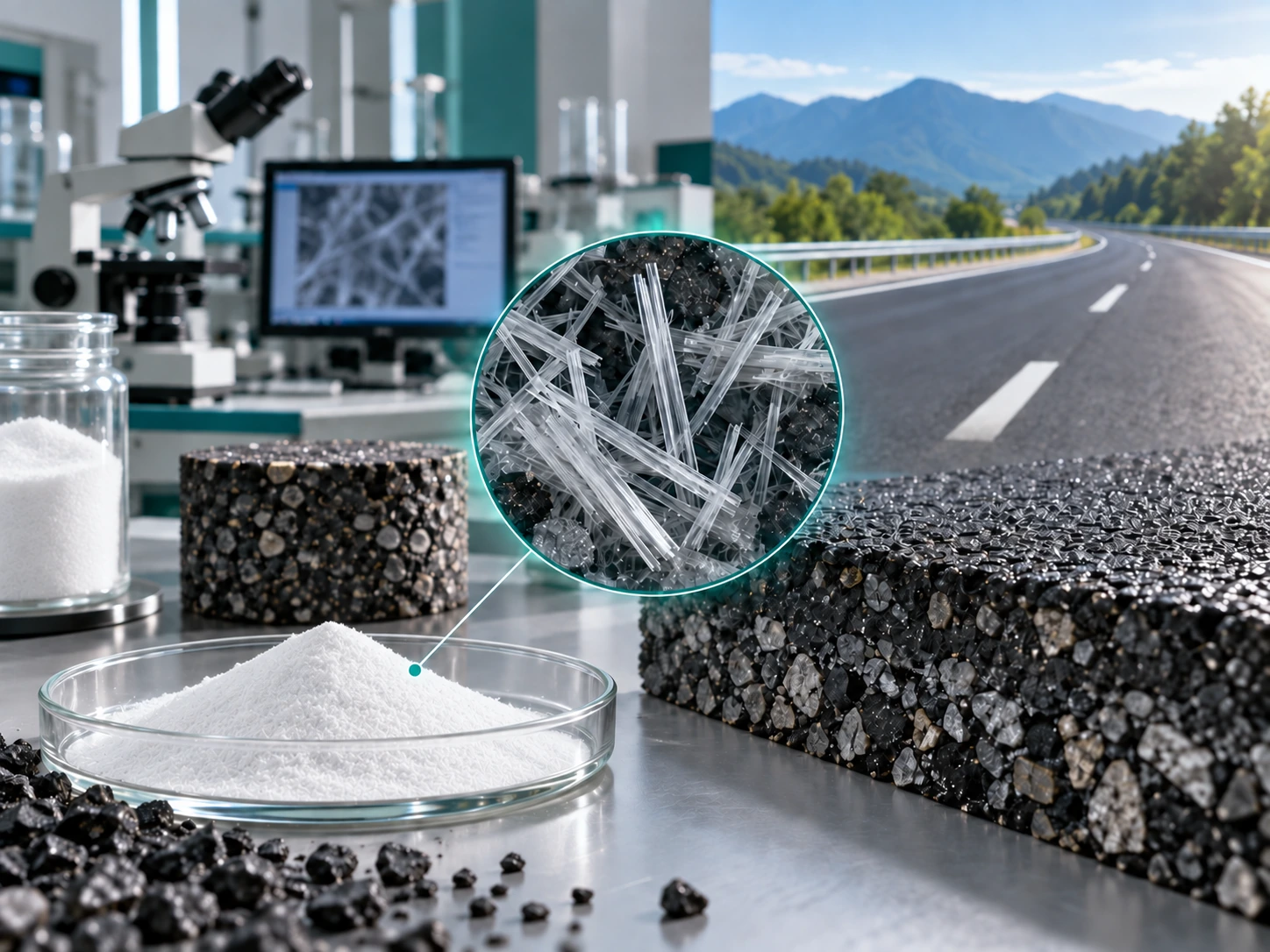
As a filler and reinforcing phase for road, waterproofing and sealing asphalt to improve softening point, penetration, rutting resistance and durability.

For brake pads and industrial friction components, partially replacing higher-cost fibres while improving wear and friction stability.
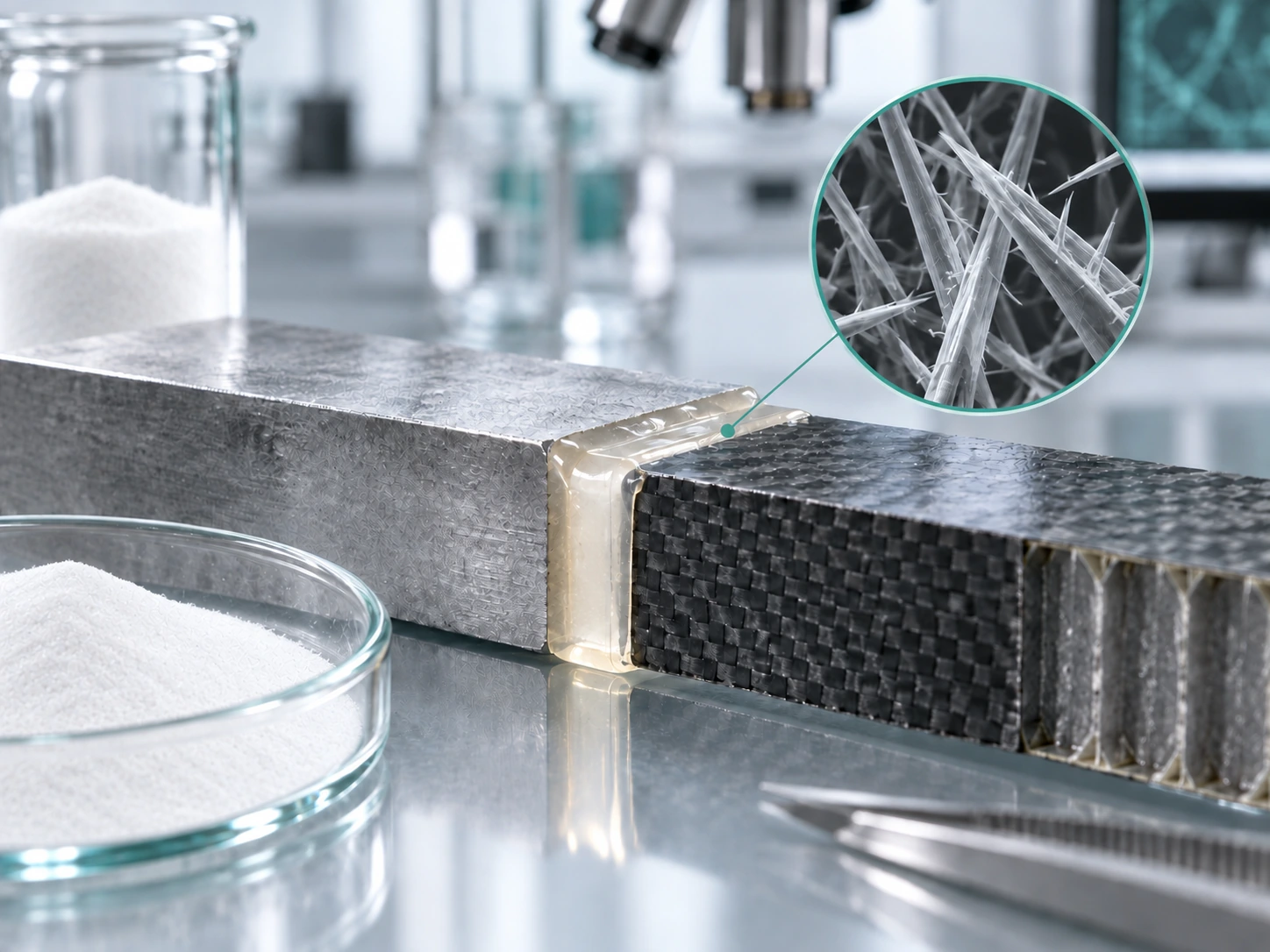
For epoxy, SBS, polyurethane and structural adhesives to improve shear, tensile, peel and heat performance, especially after surface treatment.
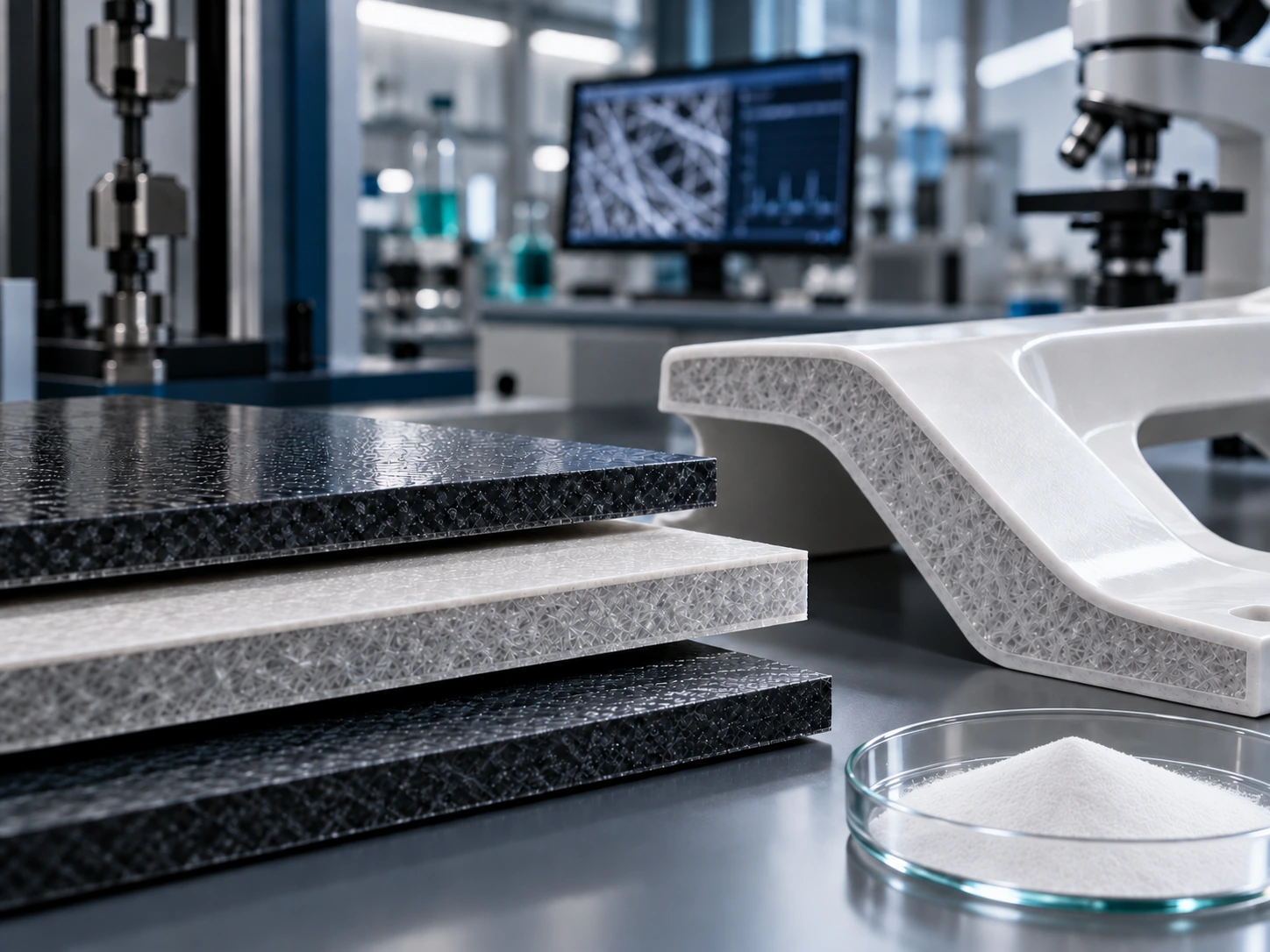
Used with resin, glass fibre and mineral fillers to improve modulus, impact, flow, surface quality and shrinkage balance.
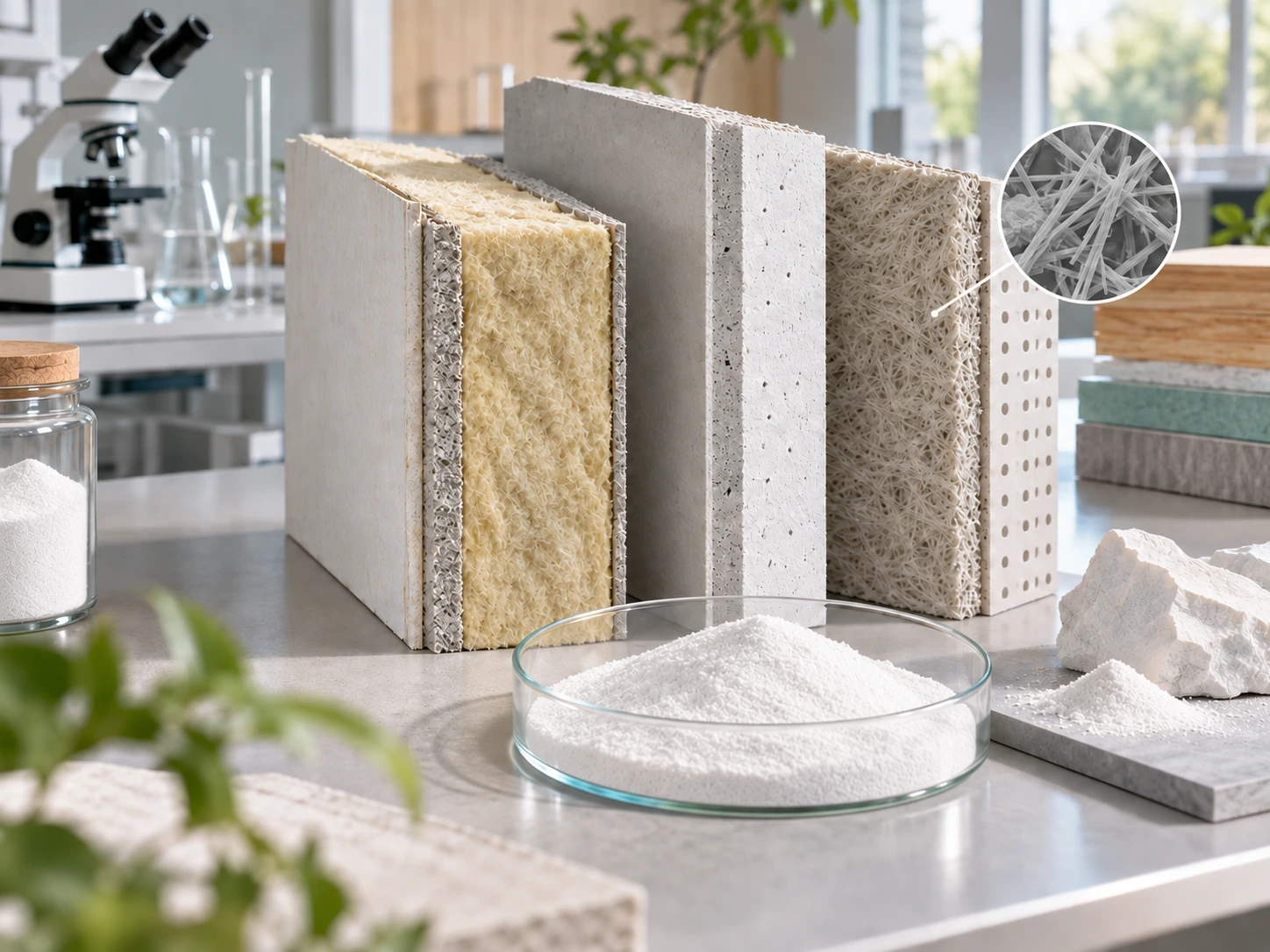
For gypsum board, fire-resistant frameworks, insulation and cable layers to improve structural stability, heat resistance and mechanical performance.
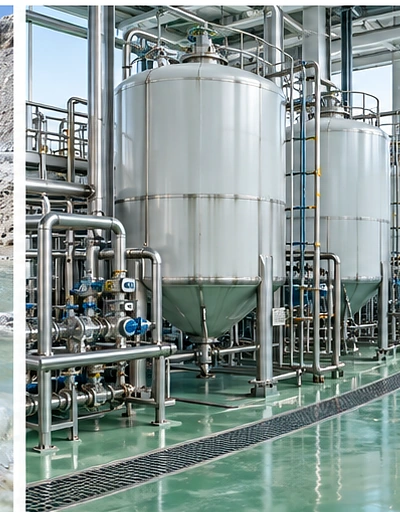
Evaluated as a functional material for heavy-metal adsorption and resource recovery. Water quality, stability and recovery must be validated before engineering use.
Confirm polarity, fillers and interface.
Confirm temperature, shear and sequence.
Define the most important target.
Use a blank and dosage levels.
Crystal-form selection, surface treatment, formulation matching, pilot tests and scale-up support.